The Values of Off2Class – Internationalism
Off2Class advocates a view of the world that is appropriate for the challenges of this...

5 min read
Share this post



It can be challenging to find suitable lesson content to use with your ESL students. We have released three lesson plans under our Nouns Section here. From our teaching experience, here are some tips we can share when tackling the subject of countable and uncountable nouns with your students:
Rather than spending too much time on the theoretical classification of countable and uncountable nouns, we suggest explaining that uncountable nouns are not used in the plural form, and using this distinction to build on other grammar rules.
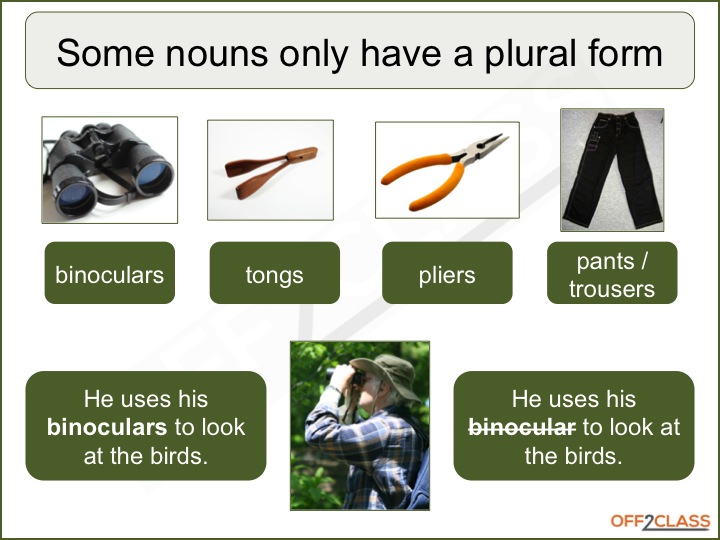
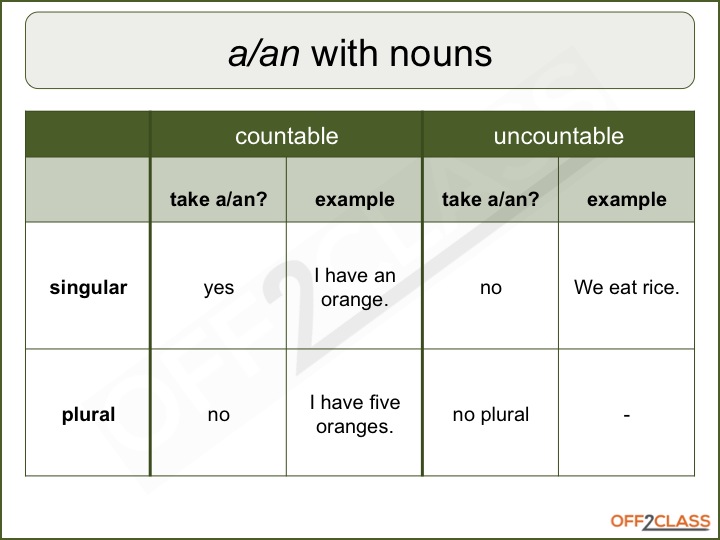
In our first lesson, N7.1 – Countable-Uncountable-1, we start by reviewing the basic plural forms of nouns. We then review nouns that only have a plural form (because they have two parts) such as jeans and scissors. We then introduce the concept of countable and uncountable nouns (i.e. that uncountable nouns only have a singular form). We finalize the lesson by reviewing the grammar rules surrounding a and an (i.e. used only with singular countable nouns).
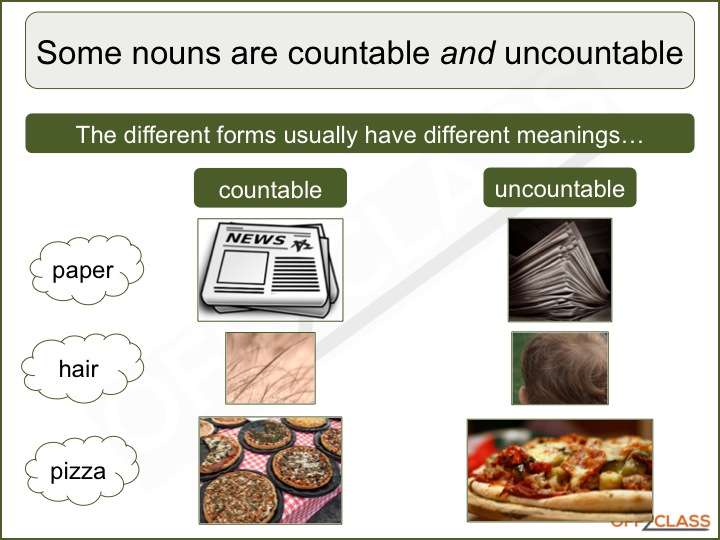
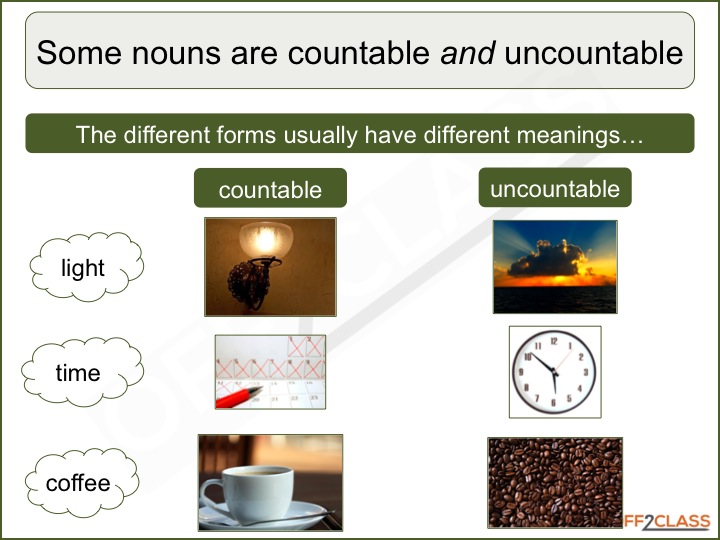
In our second lesson, N7.2 – Countable-Uncountable-2, after reviewing the basics of countable and uncountable nouns we introduce the concept of nouns being both countable and uncountable (e.g. paper and papers). Although this can be a complicated concept for students to grasp, we suggest focusing on the different meanings that nouns take on when used in a countable form and alternatively in an uncountable form:
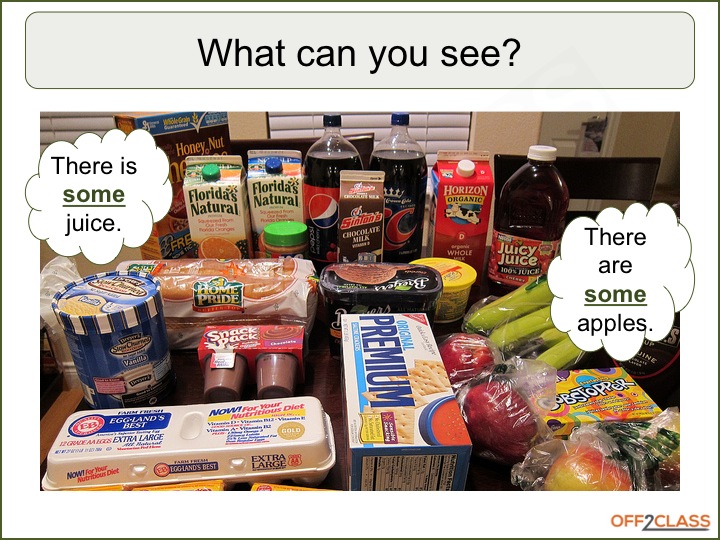
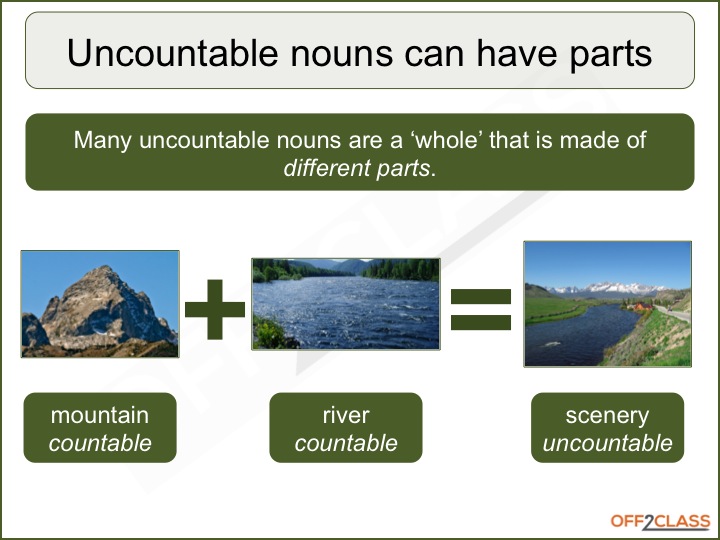
In our third lesson, N7.3 – Countable-Uncountable-3, we introduce the use of some with plural countable nouns and uncountable nouns, and contrast the use of some with a/an. We also introduce the use of there is and there are with nouns. We finalize the lesson by explaining that most uncountable nouns are made up of countable parts (e.g. chair + table = furniture).
Share this post




8 Comments
Very useful thnx alot
Great work!
Thanks for stopping by Jed, enjoy!
Thanks for the sharing.
Great resources. Thanks
You’re welcome, hope you enjoy them!
This was giving me such a headache to figure out how to teach, thank you so much for helping with this!
No problem at all, Maddy!