Lessons Learned: 2.5 Years Teaching ESL Online
Hello, my name is James Heywood and since the beginning of 2013 I've been teaching...

5 min read
Share this post



…however, unless you know your student’s L1, there are a few pitfalls and complications that can arise. We have two lessons covering ‘there is’ and ‘there are’, that are designed for teachers to use in their own private lessons. You can find them filed under the Nouns section of our lesson content library.
How do we use there is?
There is known as a non-referential subject, as it fills the subject position and doesn’t refer to anything in the sentence. ‘There is an apple on the table’ is a simple utterance in English yet it causes confusion to ESL students for whom there is no equivalent in their L1.
When should we introduce there is and there are to our ESL students?
As there is / there are is most commonly followed by a noun phrase, we think it’s an ideal time to focus on teaching there is and there are once the student has understood a few other basics of the language. These include key topics such as subject-verb agreement and a basic understanding of the determiners some and any.
Our lessons: N17.1 – There-is-There-are-1 and N17.2 – There-is-There-are-2
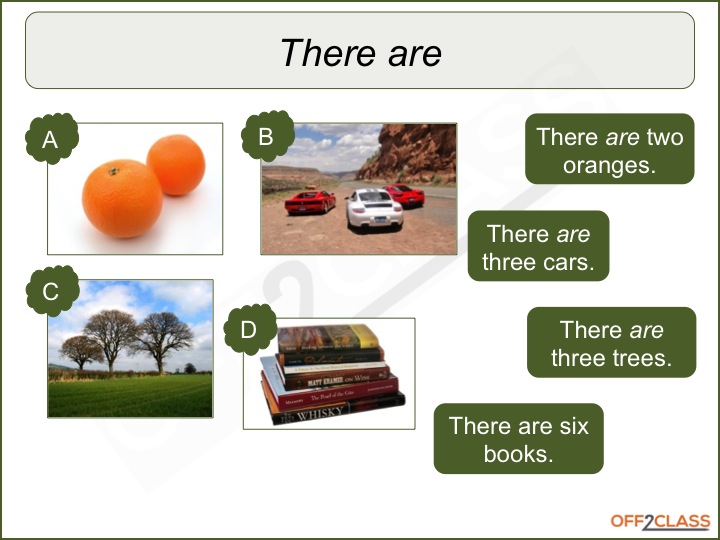
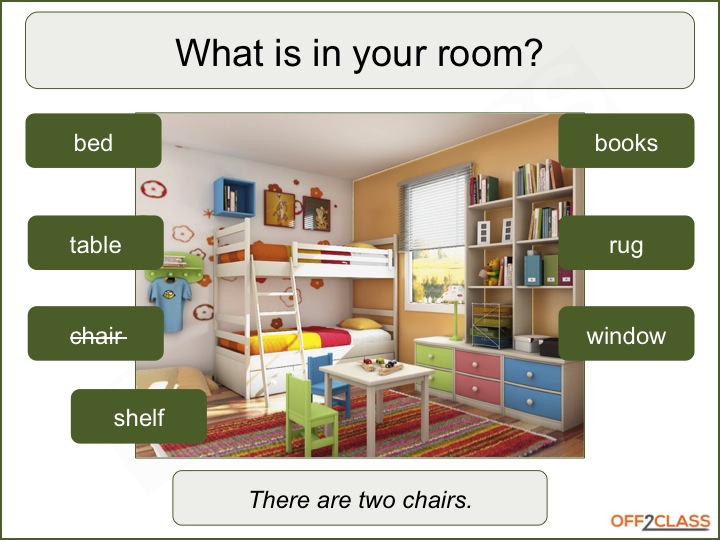
In our lessons, we introduce the structure and a quick review of countable and uncountable nouns, to prepare the student for subject-verb agreement. We believe it’s important to ensure a student understands single and plural subjects, and that with ample practice, even younger learners can grasp this concept at a reasonably early stage.
Our lessons have controlled activities that lead into bright images and visuals to allow for free practice.
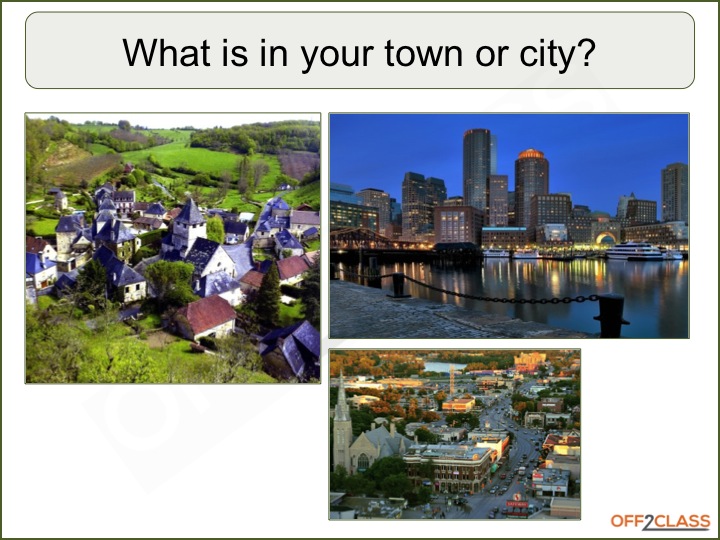
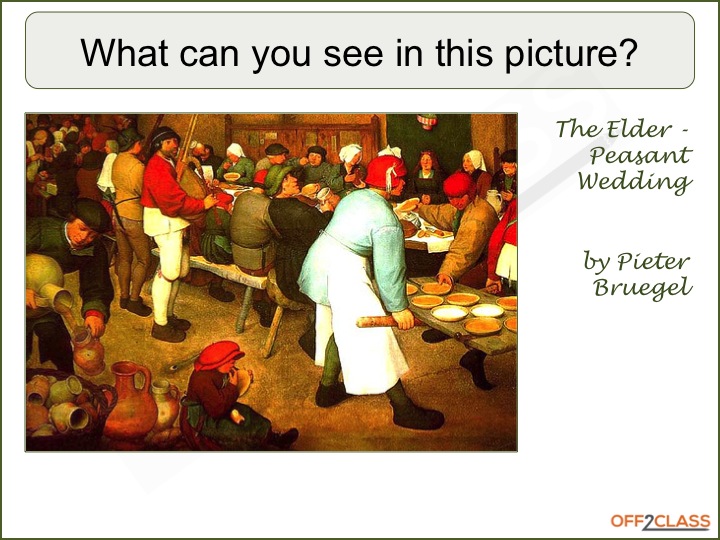
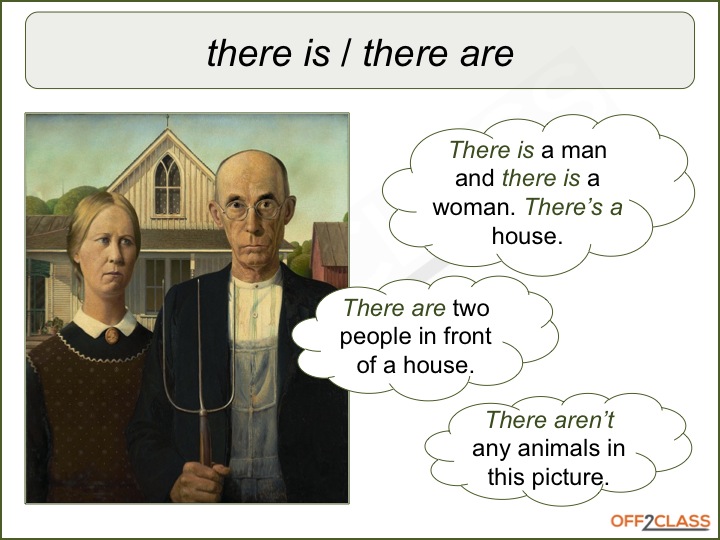
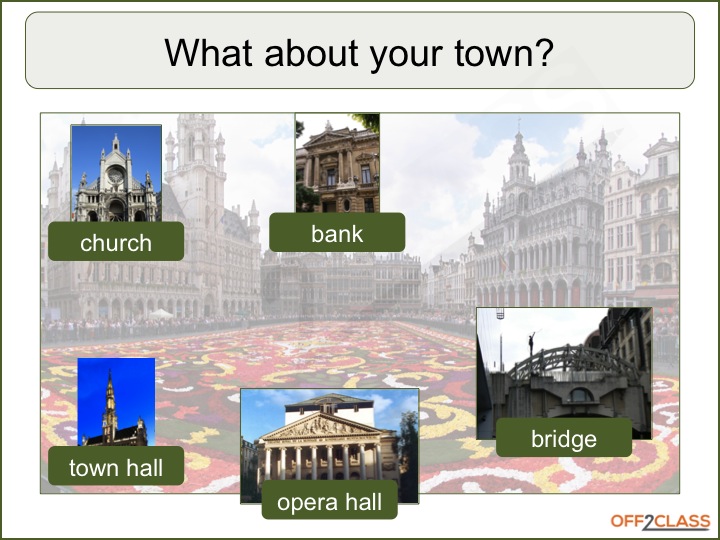
In our second lesson, we emphasise the use of there is / there are with some/any, many/much/a lot of to ensure they can make meaningful phrases about their hometown, and again we look at some famous paintings to promote natural production of there is / there are:
Share this post



Leave a Reply